The Power of a Passport and the Privilege to Leave
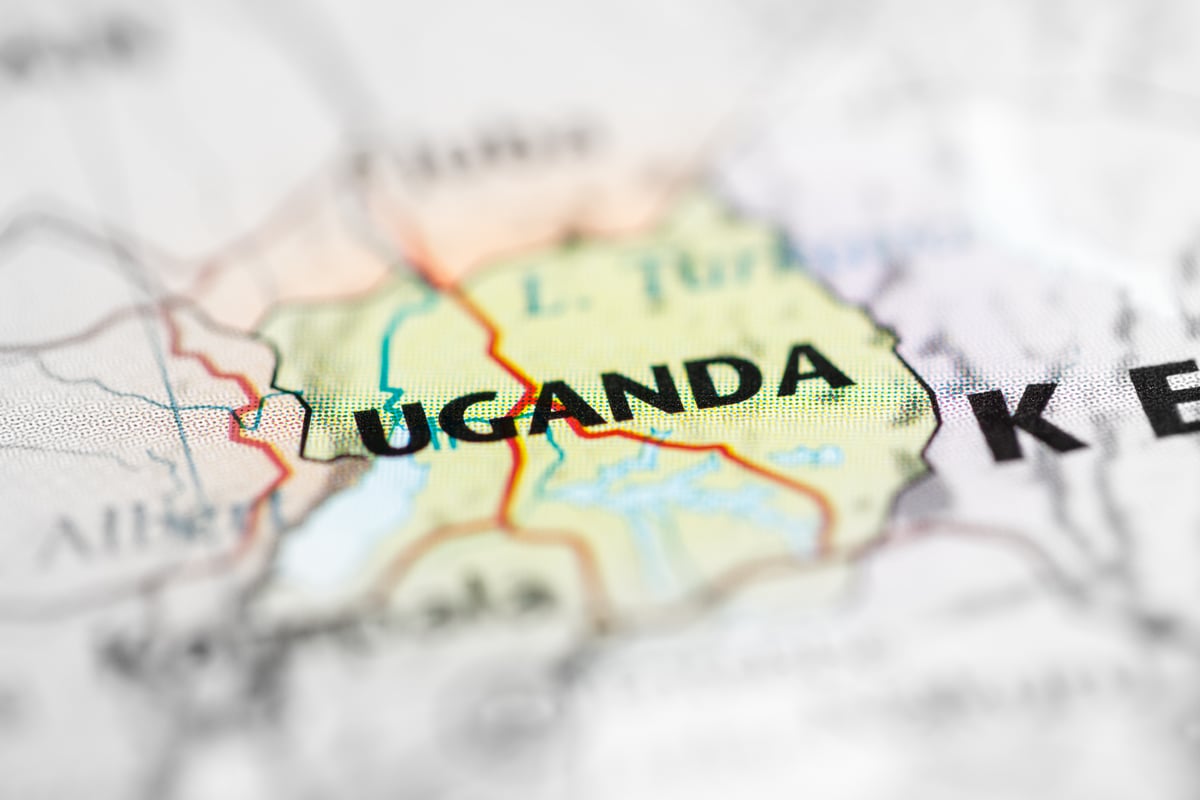
It was the end of the day as our team walked the outdoor corridors of Bwindi Community Hospital. We’d been working on a research project on emerging infections that regularly brought us to Uganda. Life looked almost normal — except that an Ebola outbreak was starting about 100 miles away.
While official borders between Uganda and the Democratic Republic of Congo were officially closed, hundreds of people still crossed daily along worn footpaths through the fields. Some carried animals or produce to sell. Others came hoping for care at the hospital. Most people had no idea an outbreak was happening nearby.
That night, after dinner with local health workers, I went back to my room and began rolling clothes into my bag for an early-morning departure — across the border to Rwanda, then, hopefully, home to America.
And that's when it hit me.
I had a passport. I had an employer with resources. I was American. I could leave.
My Ugandan colleagues — equally trained, equally exposed, equally committed could not.
The feelings came in waves: guilt over abandoning the people I'd worked alongside. Gratitude that I had the option to go. And if I'm honest, there was relief too. Real relief. That's the part that's hardest to admit. These feelings were quickly followed by more guilt for feeling relieved.
The local health workers knew the risks. They were resilient and knowledgeable. They knew there were no approved treatments or preventive vaccines. In Bwindi, gloves and protective equipment were in very short supply. The primary protection against Ebola was simple handwashing — only slightly better than nothing.
If they fell ill, the moral weight fell on them too — stay and risk dying, or leave and hope to get treatment. We promised our colleagues we would stay in touch and that we would advocate — plead, if necessary — for governments and organizations to send supplies. But as I zipped my bag, I kept asking myself: what did they think of us as we walked out the door?
This isn't new. During the 2014 West Africa Ebola crisis, 10% of deaths were among healthcare workers. At that time, international health workers were airlifted to treatment centers in Europe and America. Local health workers faced higher death rates with far less support. We saw it EARLIER, too. Antiretroviral drugs FOR HIV and COVID vaccines were widely available in wealthy countries before they reached low-income settings. And today, America’s cuts to global health funding, the shuttering of USAID, and our leaving the World Health Organization — the WHO — are again pulling resources and expertise away from communities that need them most.
There's a word for what this is: unjust. People doing identical work, carrying identical risk, deserve identical protection. That's not charity. That's basic moral logic.
It's probably too late to fix the inequity in this outbreak, but it's not too late to build something better for next time. We need transparent evacuation policies, improvements to the PPE supply chains, and binding commitments to local health workforce safety.
We are morally obligated to step up and provide expertise, training, and supplies. As global citizens, we need to rejoin the team – the WHO - that safeguards global health.
We owe our colleagues more than empathy. We owe them equity.
— Dr. Michael Wilkes with a Second Opinion
@2x.png?upscale=true&width=1200&upscale=true&name=QEEmail(600x100)@2x.png)


