In The Last Pew
The family of a patient I had cared for over many years recently left a message on my phone with the details of her funeral. Although I had not seen her for several months, I had helped her through some of the most difficult periods of her illness. Their call raised a question I have wrestled with before. Should I attend the funeral?
Over the years, I have gone to several patients' funerals. Each time, I arrived quietly, sat near the back, and slipped away without drawing attention to myself. Yet I often left wondering whether I belonged there at all. Did my presence comfort the family, or did it remind them of hospitals, illness, and a life that medicine ultimately could not save?
There is no accepted answer. Some physicians never attend a patient's funeral. Others, especially family physicians and palliative care doctors who may know patients for years, do so more often. Surveys suggest that physicians themselves are deeply divided about whether attending is appropriate.
The dilemma is really about whose needs are being served.
If I attend because I need reassurance that I did enough, or because I am seeking my own closure, then I should stay home. A funeral belongs to the family, not to the physician.
But perhaps I underestimate what my presence means to the family. Families sometimes know their loved one's physician not simply as the person who prescribed medications or interpreted test results, but as someone who accompanied them through frightening moments, difficult decisions, and years of uncertainty. Hopefully they remember kindness, honesty, and compassion.
What struck me most about this recent death was not hearing about the death. It was that the family took the time to call me personally with the funeral arrangements. They didn't have to. They could have assumed I was too busy, or that physicians don't attend such things. Instead, they reached out.
When families invite a physician to a funeral, they may not be asking us to honor the person who died. They already know who she was. They may be asking whether the relationship that unfolded in examination rooms, hospital bedsides, and anxious phone calls meant something to us as well.
Medicine requires emotional discipline. We move from one patient to the next, trying to give each our full attention before turning to the next one. It is easy for patients to wonder whether they were simply another appointment.
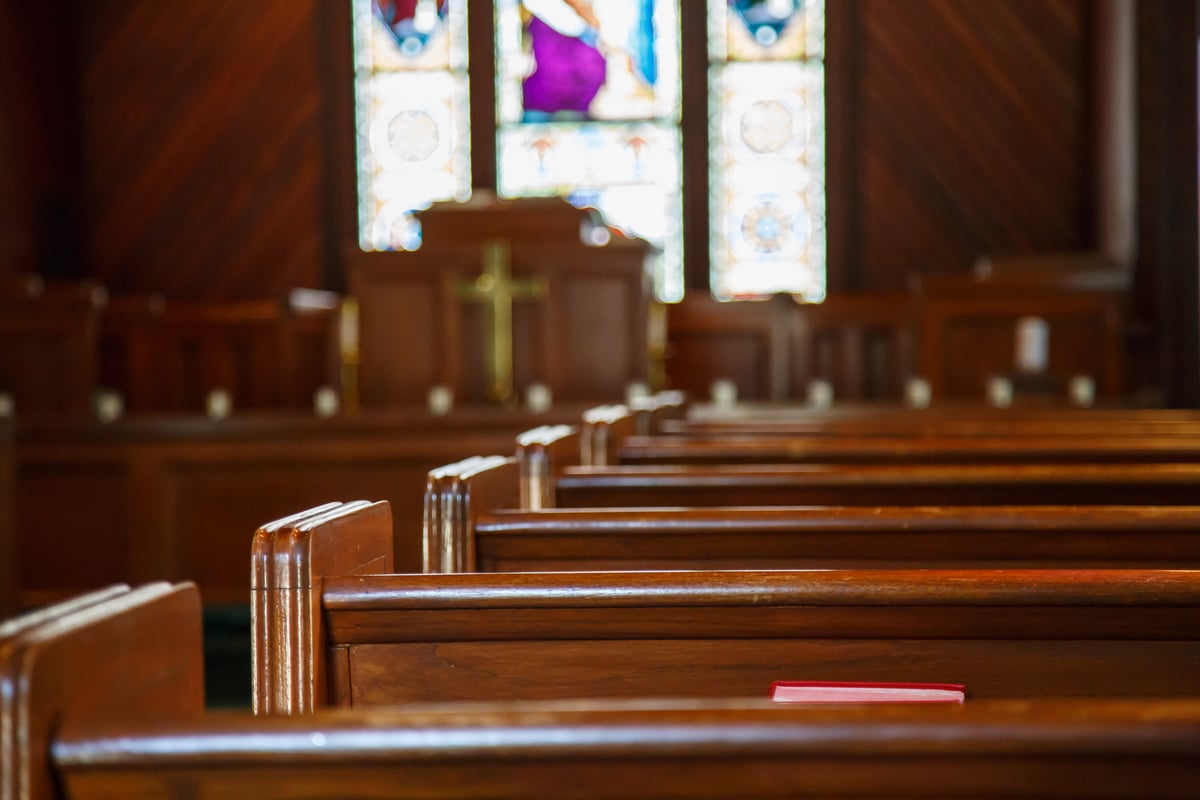
I will go and quietly take a seat in the last pew.
Not because my patient needs me there.
Not because I need closure.
I will be there for her family to let them know that the woman they loved was never just another name on my schedule. She mattered to me, too.
— Dr. Michael Wilkes with a Second Opinion

@2x.png?upscale=true&width=1200&upscale=true&name=QEEmail(600x100)@2x.png)


