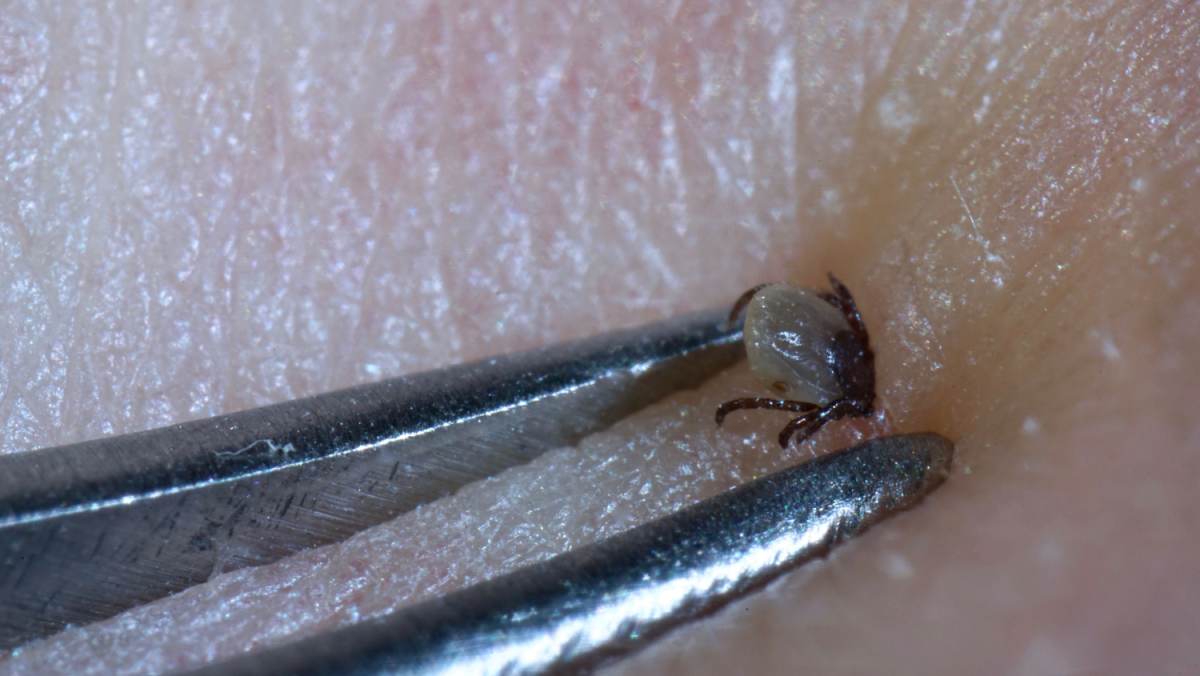
Eight Legs, One Bite, Big Trouble
Spring is here — and so are the trails, the fresh air, and the wildlife. But before you lace up your hiking boots, there's something small, eight-legged, and blood-thirsty that is also more active this time of year: ticks.
Just saying the word makes most people squirm. And for good reason. Ticks carry some genuinely nasty diseases — Lyme disease, babesiosis, Rocky Mountain spotted fever — and they're becoming more common. Back east, it’s the deer tick, but in California, the two species to watch for are the Western black-legged tick and the Pacific Coast tick. These two species can transmit Lyme disease, and they look so similar — about the size of a sesame seed — they're almost impossible to tell apart without a microscope.
Lyme disease is caused by a corkscrew-shaped bacterium called Borrelia burgdorferi — and there's a great story behind that name. Burgdorferi honors Willy Burgdorfer, a Swiss-American microbiologist who in 1981 discovered this spiral-shaped bug living in the gut of deer ticks. He then connected it to a baffling cluster of arthritis cases that had stumped doctors in Lyme, Connecticut, since the mid-1970s. Mystery solved — and a disease named.
Lyme disease is no small problem. About half a million Americans are diagnosed each year — and that's almost certainly a dramatic undercount, since many cases are never diagnosed or reported. Symptoms can be debilitating: fever, crushing fatigue, and the telltale bullseye rash. Left untreated, the disease can damage the heart and nervous system.
The risk is certainly lower in California than in the Northeast, but climate change is increasing the chance of exposure. Warming temperatures are pushing ticks into new territories where living conditions were previously too harsh. It is also extending their breeding season and giving them more time to find hosts. Ticks are now showing up in places they've never been seen before — higher elevations, northern states, and urban parks. Nowhere outdoors feels completely safe anymore.
We once had an effective human Lyme vaccine. In 1998, the FDA approved LYMErix, and studies showed it was highly effective. But rumors spread — without scientific backing — that it caused joint pain. Despite the FDA finding no evidence of harm, fear and lawsuits cratered sales, and the manufacturer quietly pulled it from the market. Not because it was unsafe. Because it stopped being profitable.
Meanwhile, a vaccine for dogs remains available — because that market stayed profitable. Pfizer is now developing a new human Lyme vaccine — though getting it approved and getting people to accept it will be its own challenge.
Until then, prevention is your best defense. Spray your socks and pants with permethrin — it repels ticks and lasts through several washings. Picaridin and DEET work well on skin. After every hike, do a thorough tick check. And check your dog.
Lyme disease doesn't make headlines like COVID or flu. But with half a million cases a year and rising, it's time we started paying more attention.
— Dr. Michael Wilkes with a Second Opinion
Further Reading:

.png?upscale=true&width=1200&upscale=true&name=email(600x100).png)


